15 October 20 (92) / 2007
6. A captive space
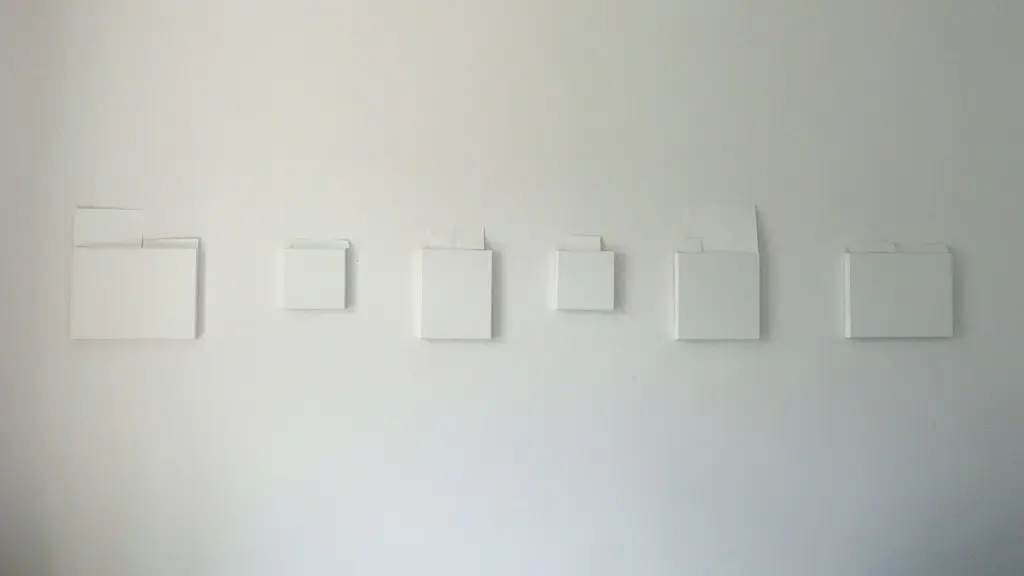
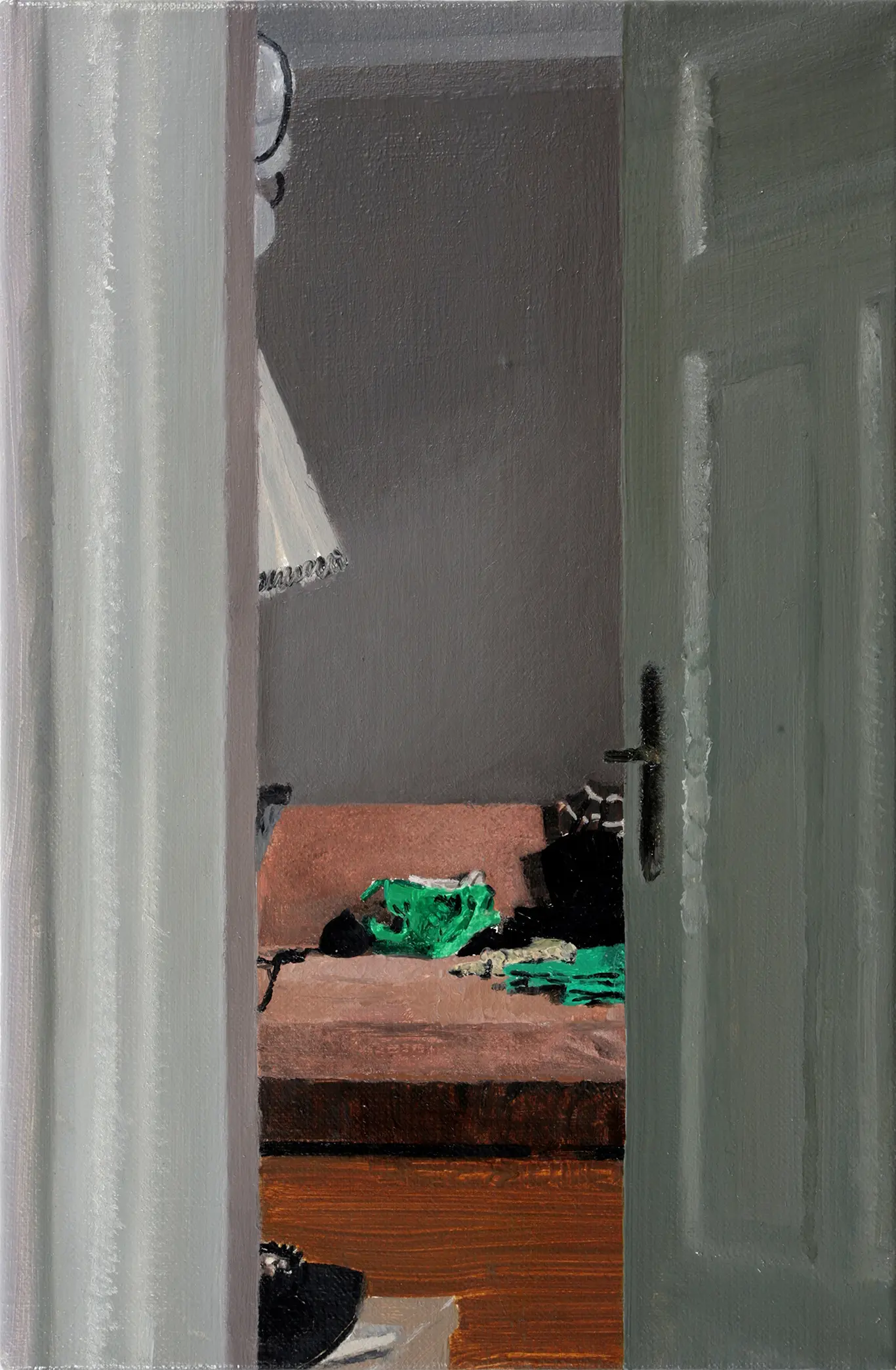
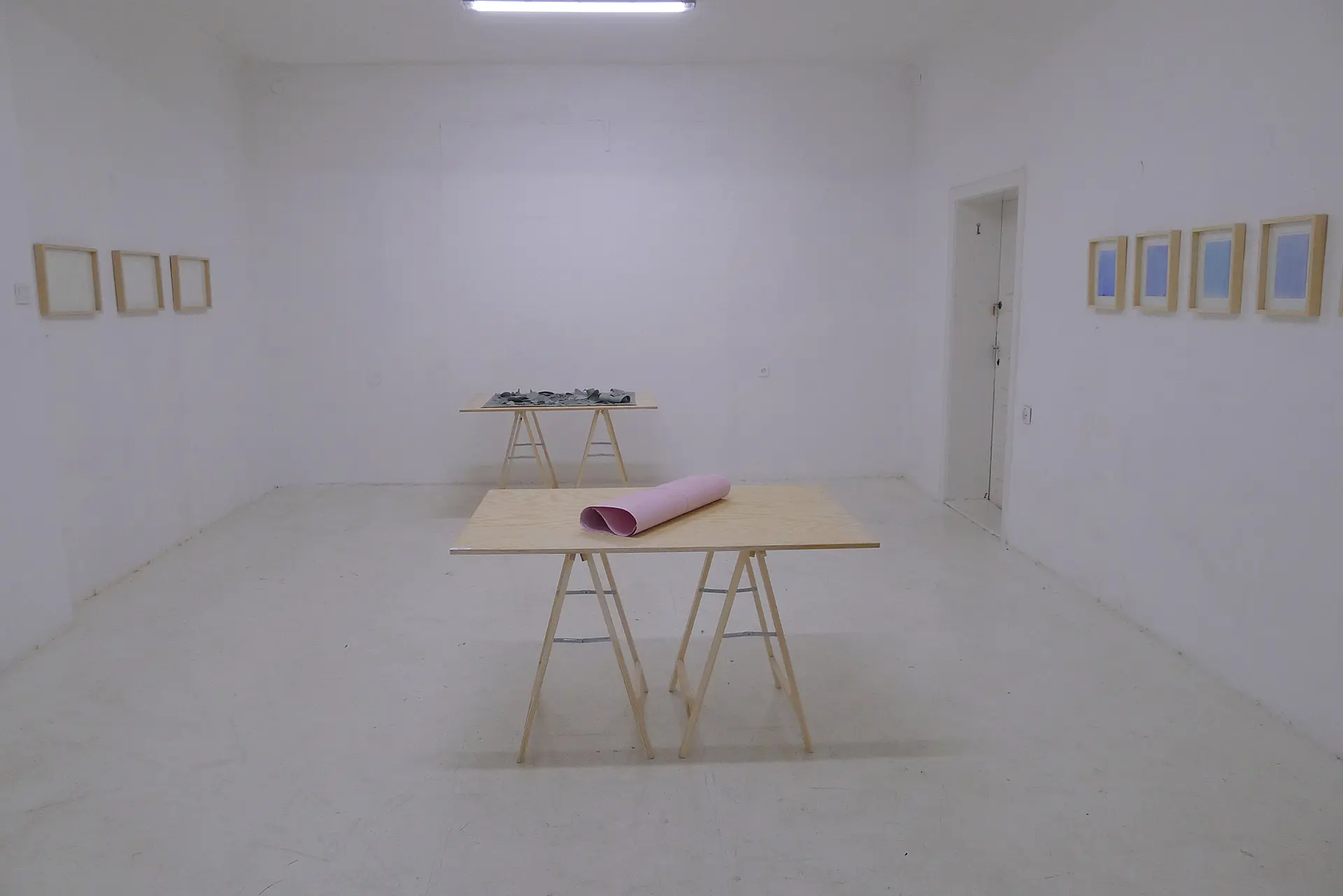
Refocusing on the placement of the paintings within the gallery space and its significance: in the first of the three rooms, three rows of paintings on the left-hand wall face a single row on the right-hand wall. This arrangement creates an axis and makes the dialogue between the works clearly legible. The second room sees a dialectic of the empty wall on the left and the right-hand wall with a row of six paintings. This thesis and antithesis are synthesised in the third room, which contains only a single painting—centred on the right-hand wall. The gradual reduction in number illustrates a phenomenological eidetic reduction, that is, the process of arriving at the essence of what is given. Interestingly, the balance of verticals and horizontals forming the structure of the works is ultimately challenged:
now you have
empty space
more beautiful than the object
more beautiful than the place it leaves
it is the pre-world
a white paradise
of all possibilities
you may enter there
cry out
vertical-horizontal
perpendicular lightning
strikes the naked horizon
we can stop at that
anyway you have already created a world
from Zbigniew Herbert Study of the Object, translated by Alissa Valles, The Collected Poems 1956–1998, Ecco Press

Description and analysis seem to lead back to square one. Yet the starting point is no longer the same as it was initially. Here, purification inherent in the process of synthesis reaches its conclusion. The viewpoint has shifted, and quite literally so. The painting captioned “Few exits” depicts a mass of colourful trash in a blue plastic bag, set at the threshold—another point of mediation, alongside the window or door, between orbis exterior and orbis interior. The diagonal tilt suggests an accidentally (mis)aligned frame. A rupture of the constructed-perfect world.
Katarzyna Skrobiszewska, I Hardly Ever Go Out, Krakow, Art Agenda Nova, 2007.