Author: Katarzyna Wincenciak
„MOCAK Forum”, no. 2/2012 [4]
Art can be expensive—sometimes extremely so. To own a work by a contemporary artist like Mark Rothko would require a bank account holding around eighty million dollars. For art lovers who are neither oil magnates nor Arab sheikhs, such acquisitions remain little more than a dream. Yet the average contemporary art buff is not entirely helpless: a compelling alternative comes with magazines which, instead of record-breaking auction prices, promote the work of young, often still unknown artists.
One such magazine is the quarterly Gili-Gili (which translates as "Tickle-Tickle"). Its main objective is to showcase the work of niche artists, often those at the outset of their careers. Each issue is structured around a single theme. Apart from an editorial, the works presented are accompanied by no commentary, and the publication’s form is closer to that of an art book. Artists are selected in relation to the leading theme of a given issue, so that it resonates with their previous work or aligns with their ongoing artistic explorations.
The first issue focuses on Iceland's volcano Eyjafjallajökull, the second—on jealousy and medicine, a fairly enigmatic couple taken from the title of Michał Choromański's novel, which brings up "complex relations between men and women, their physical and emotional dimensions, as well as unbridled eroticism and cold calculation: feelings we yield to every time we are unable to control them,” Dariusz Vasina noted in the editorial. The publication features both gripping, expressive images and a reflective minimalism of form combined with rich content.
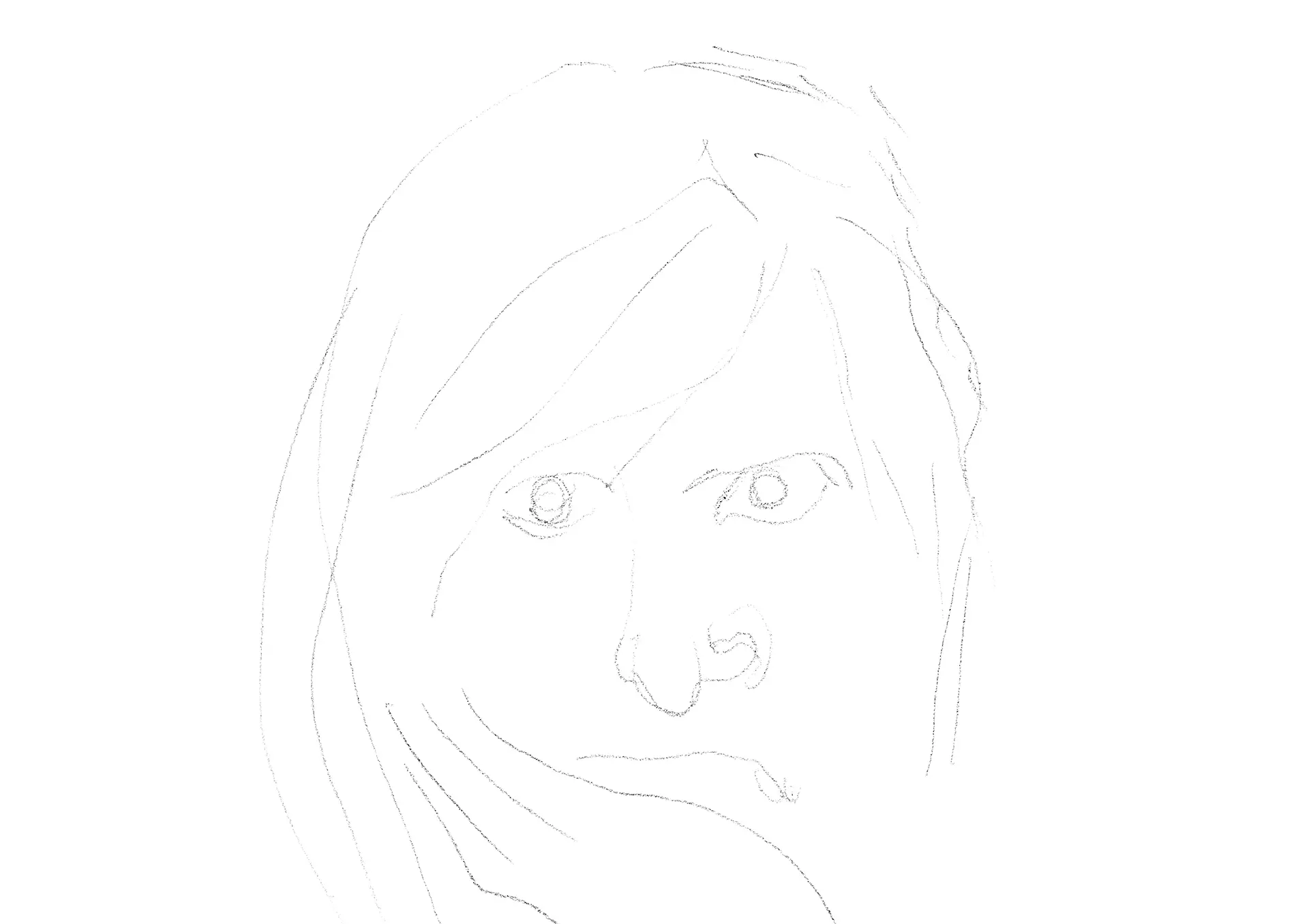
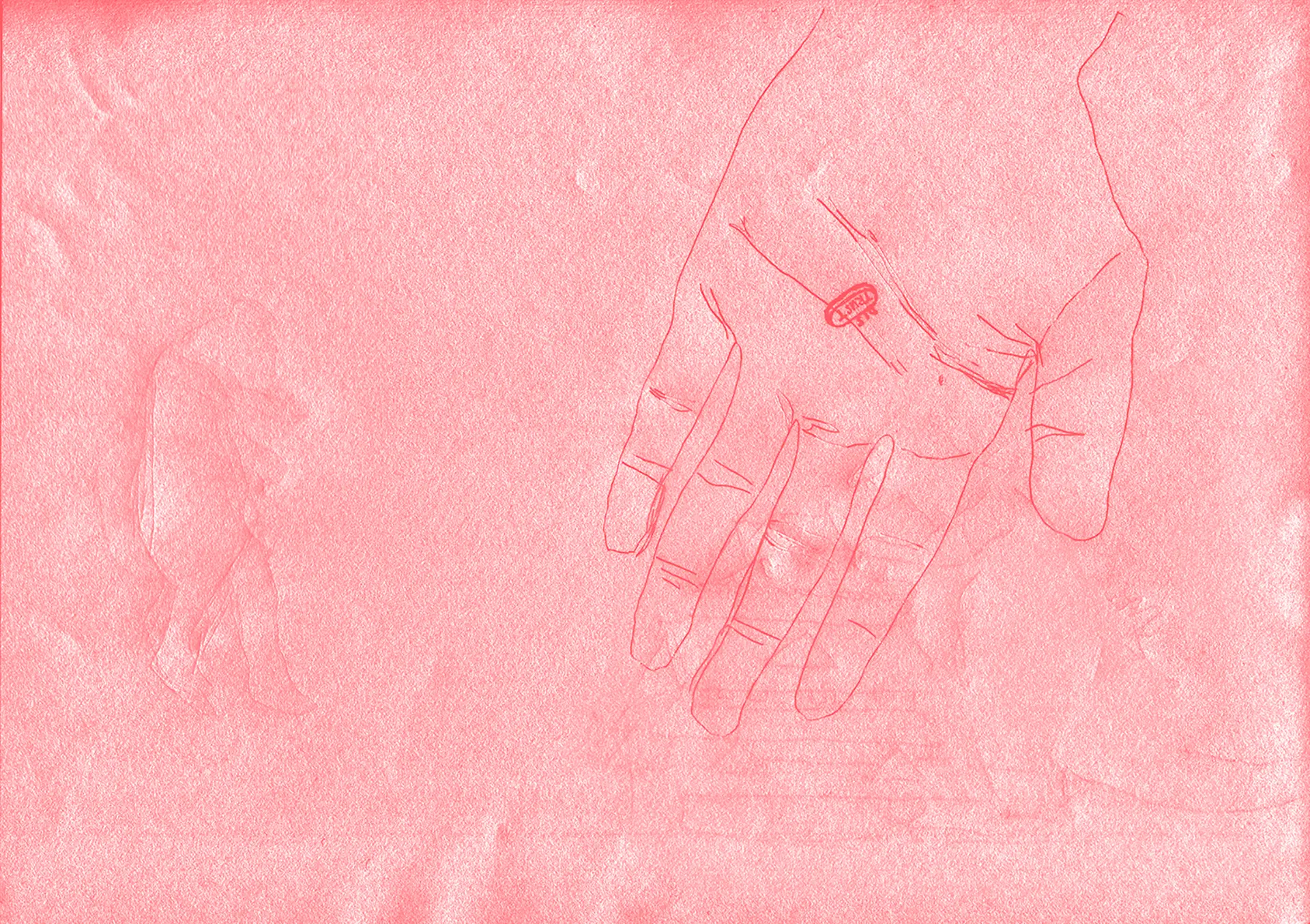
The artists presenting their works here differ in terms of artistic attitudes, styles, and approaches to the subject. Each spread tells an independent, unique story. Artur Blusiewicz’s catastrophic illustration sits alongside a subtle image of mistrust by Katarzyna Skrobiszewska. It has also got something for lovers of vintage aesthetics, American comics, or the Neue Wilde. Importantly, this broad treatment does not result in any cacophony or visual chaos, as all the works come together to form a multi-layered, coherent narrative that does not feel tedious.
Gili-Gili brings to mind the heyday of mail artists, their self-produced publications created independently and with limited means, as well as the magazine Nieregularnik Artystyczny Raster. Each issue is stamped with the edition number, much like the 1980s zines. Jealousy and Medicine gives the reader the impression of being part of an initiative that, in defiance of market conditions or low budgets, proves that to believe (in good art) is to be able to create value. It also highlights off-gallery forms of artistic presentation, which remain somewhat underappreciated in this country.

The potential art consumer can take home a tangible piece of it, rather than merely fleeting memories of a visited exhibition. Its strictly visual character, unburdened by unnecessary ideological framing, opens space for personal reflection in the act of “reading.”
Grupa Gili-Gili, which produces the quarterly, brings together artists who trained at the Krakow and Warsaw Academies of Fine Arts: Artur Blusiewicz, Joanna Kogut, Maja Maciejewska, Katarzyna Skrobiszewska, Dariusz Vasina. Artists featured in the Jealousy and Medicine issue: Bogusław Bachorczyk, Emilia Bartkowska, Łukasz Belcarski, Artur Blusiewicz, Tomasz Daniec, Emma Dajska, Marcin Dymek, Joanna Fluder, Mariusz Gutowski, Grzegorz Kowalczyk, Maja Maciejewska, Dana Malicka, Ola Mróz, Kinga Nowak, Paweł Olszczyński, Piotr Panasiewicz, Marta Porażka, Anna Rakoczy, Helena Siemińska, Katarzyna Skrobiszewska, Dariusz Vasina, Bartosz Wajer, Maria Wegenke, Daniel Witnicki, Jakub Woynarowski.